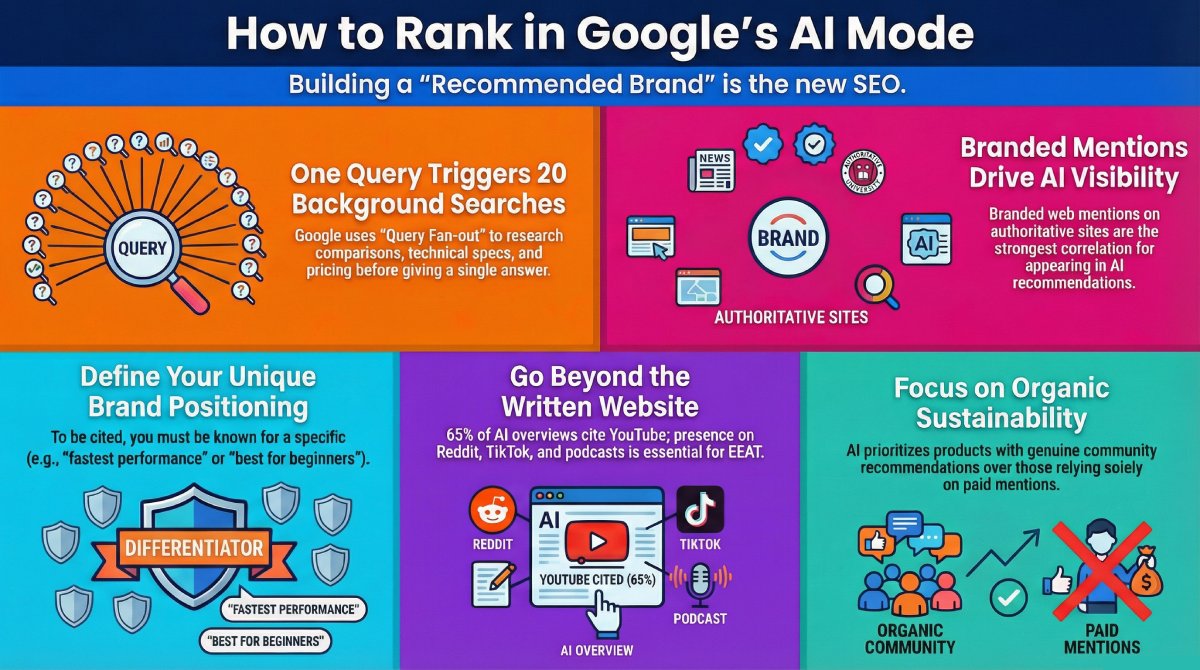
Embarking on the SEO (search engine optimisation) journey? Patience is key, but there are strategies for improving how long it takes to see results. Let's delve into the crucial aspects that determine the timeline and how to speed it up.
Understanding the foundation: SEO takes time
When venturing into the realm of SEO, it's essential to recognize that it operates on a long-term basis. Google's algorithm favours websites that have established authority over time, aiming to promote those deemed worthy of user traffic. Several factors contribute to this authority:
- Age of the website
- Quality of content
- Quantity and quality of backlinks
- Technical aspects of the website
- Additional signals like citations, social presence, and reviews
These elements accumulate over time, forming the bedrock of SEO's time-consuming nature.
Determining the duration: what influences the timeline?
The time it takes to witness SEO results hinges on three primary factors:
- Speed of authority building: The faster, the better.
- Competitiveness of the SEO market: A critical aspect influenced by the number of websites targeting the same keywords.
- Compliance with Google's guidelines: Avoiding actions that Google disapproves of is crucial.
Deciphering SEO market competitiveness
Focusing on the competitiveness of the SEO market is paramount. The rule of thumb is straightforward:
More websites actively optimising for your keywords lead to higher competitiveness.
Greater competitiveness translates to a longer timeframe for ranking and increased authority requirements.
This is why we advise small businesses to write blog posts targeting less competitive keywords, catering to users seeking niche information or services, preferably with buying intent.
General timescales for SEO success
Understanding the dynamics, here are general timescales based on various scenarios:
- Crafting a compelling blog: Expect traffic within 1-2 months.
- Optimizing a page with a low-competition keyword: Anticipate ranking in 3-6 months.
- Medium-competition keyword: Aiming for a 6-12 month timeframe.
- High-competition keyword: Brace for a 12+ month duration.
You should utilize difficulty metrics to gauge competitiveness for specific keywords on your website. We provide a tool to do this with our SEO AI Pro solution and related SEO services. For free you can also search on Google and note the number of website results that come back, and compare this to other search terms. Our tool takes into account this along with the domain authority of the websites ranking on page 1 of the results page. With this information you can plan to target terms that generate results more in line with your current website authority, building it over time, so you can then target more competitive terms.
The clarification
To be clear, these timelines are informed by past experiences and general SEO trends but are contingent on the quality and quantity of your SEO efforts. They aren't guaranteed, especially if you aren't leveraging all available SEO strategies. The more comprehensive your SEO actions, the quicker and more robust your performance is likely to be. Remember, success in SEO is a reflection of the time and effort invested.